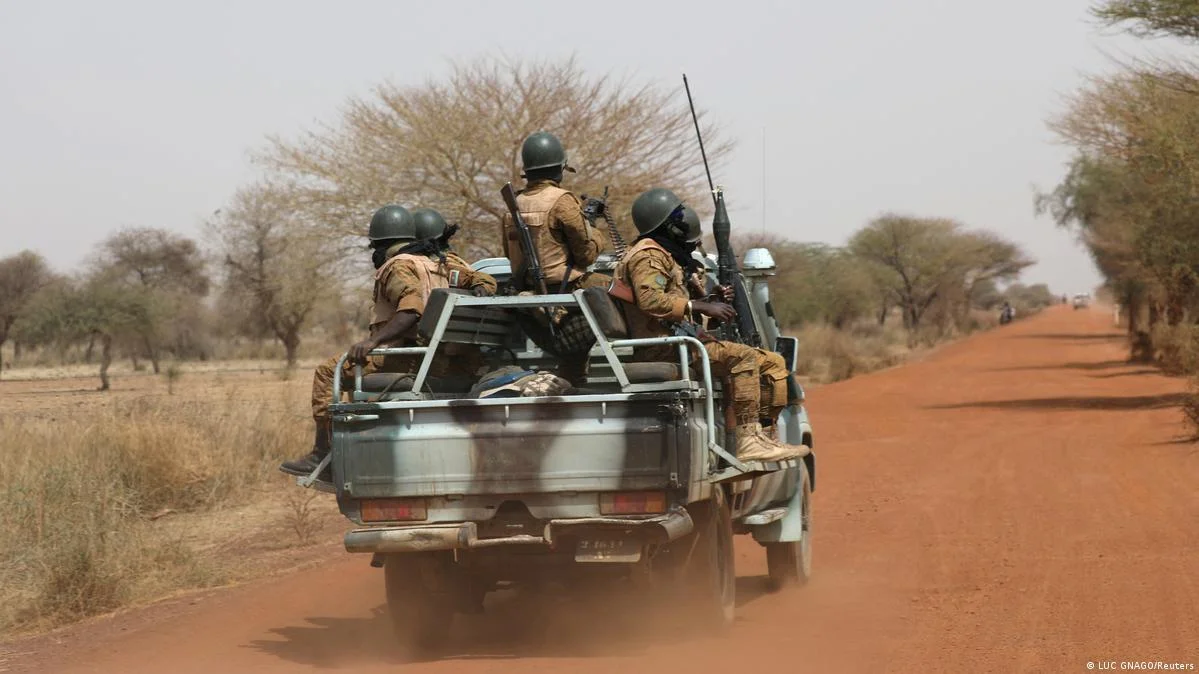
The United States has condemned terrorist attacks across Burkina Faso, Mali and Niger, specifically highlighting the use of drones as Washington calls for stronger international cooperation to confront insecurity in Africa's Sahel region.
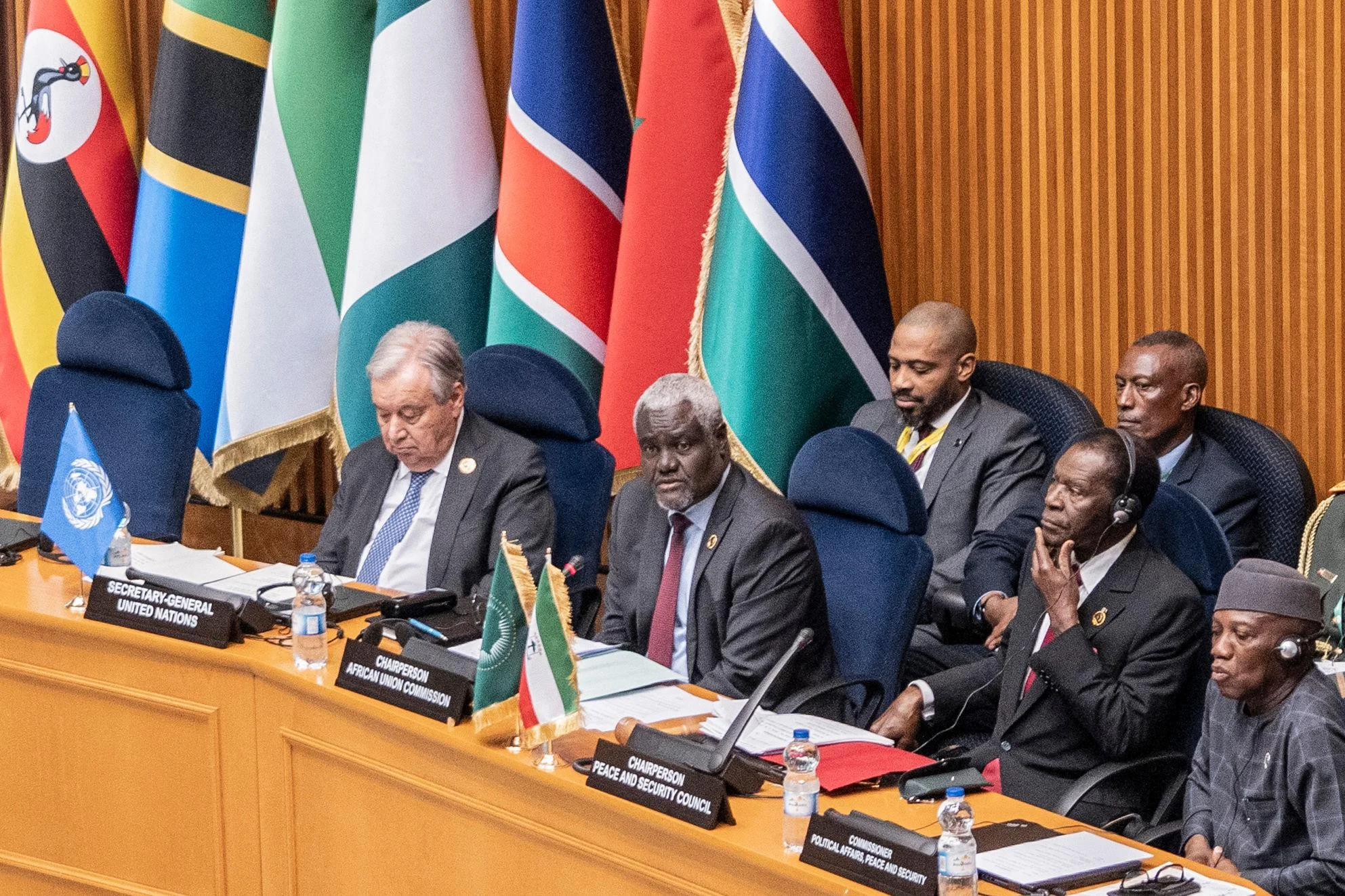
Speaking at the United Nations Security Council on October 6, U.S. Ambassador Jeffrey Bartos identified terrorism as a major concern for the United States and its international partners.
"On the Sahel, the United States condemns in the strongest terms terrorist attacks, including by drones, conducted in Burkina Faso, Mali, and Niger," Bartos said.
His remarks drew attention to the use of drones in terrorist violence, an issue that raises additional challenges for security forces already confronting armed extremist groups.
The ambassador did not identify specific drone incidents, name the organizations responsible or provide casualty figures.
He nevertheless emphasized that the threat extends beyond the countries directly affected.
"We, as the international community, have a vested interest in countering terrorism and the threat it poses to the global community," Bartos said.
The three Sahel countries have experienced persistent insecurity, with armed violence creating challenges for civilian protection, economic activity and government authority.
Bartos argued that cooperation between the United Nations and African Union, combined with African leadership, is critical to addressing the region's security problems.
The statement did not announce new American military deployments, counterterrorism funding or specific operations.
Instead, Washington used the Security Council meeting to reaffirm its opposition to terrorism and encourage a coordinated international response.
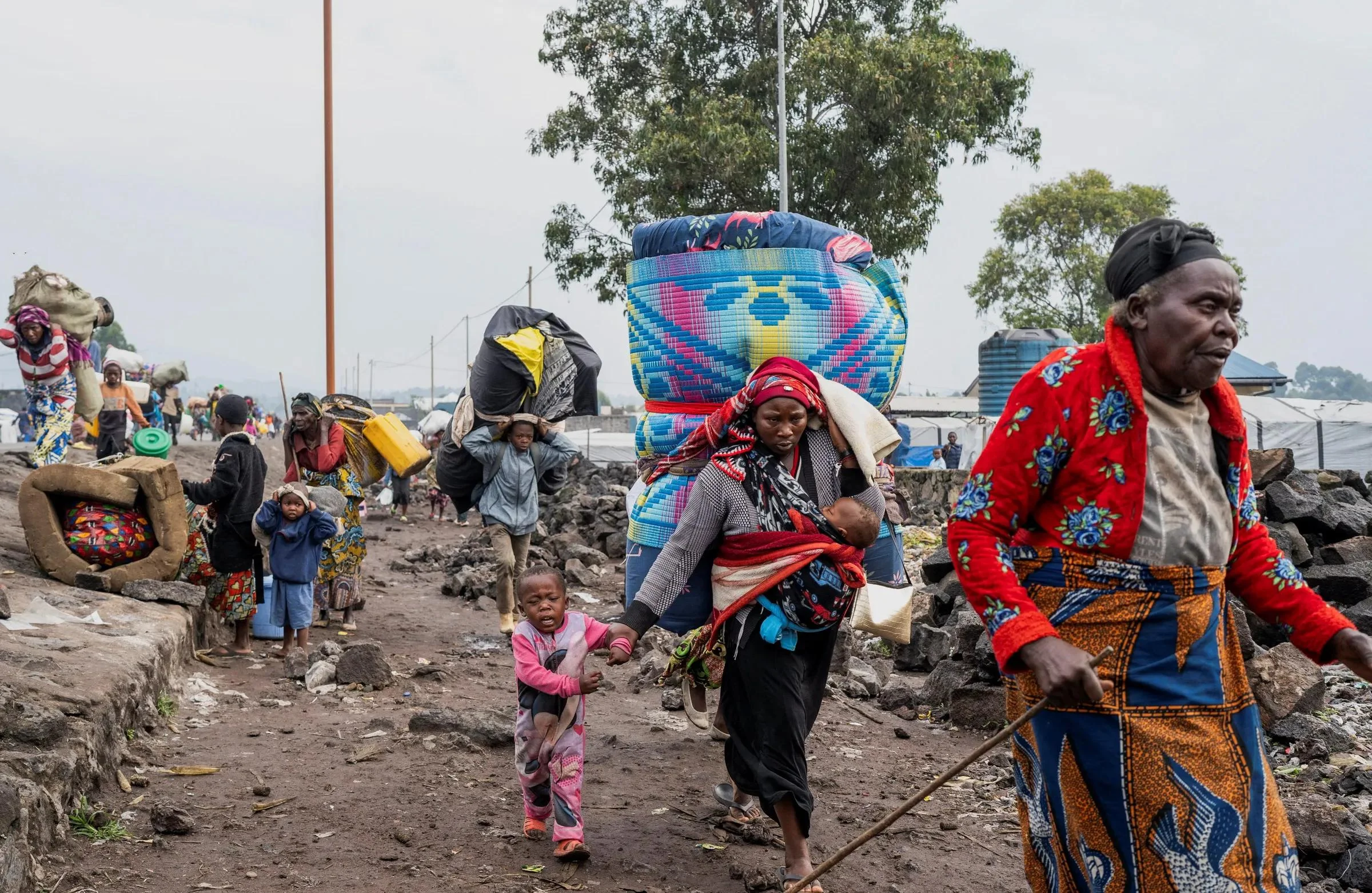
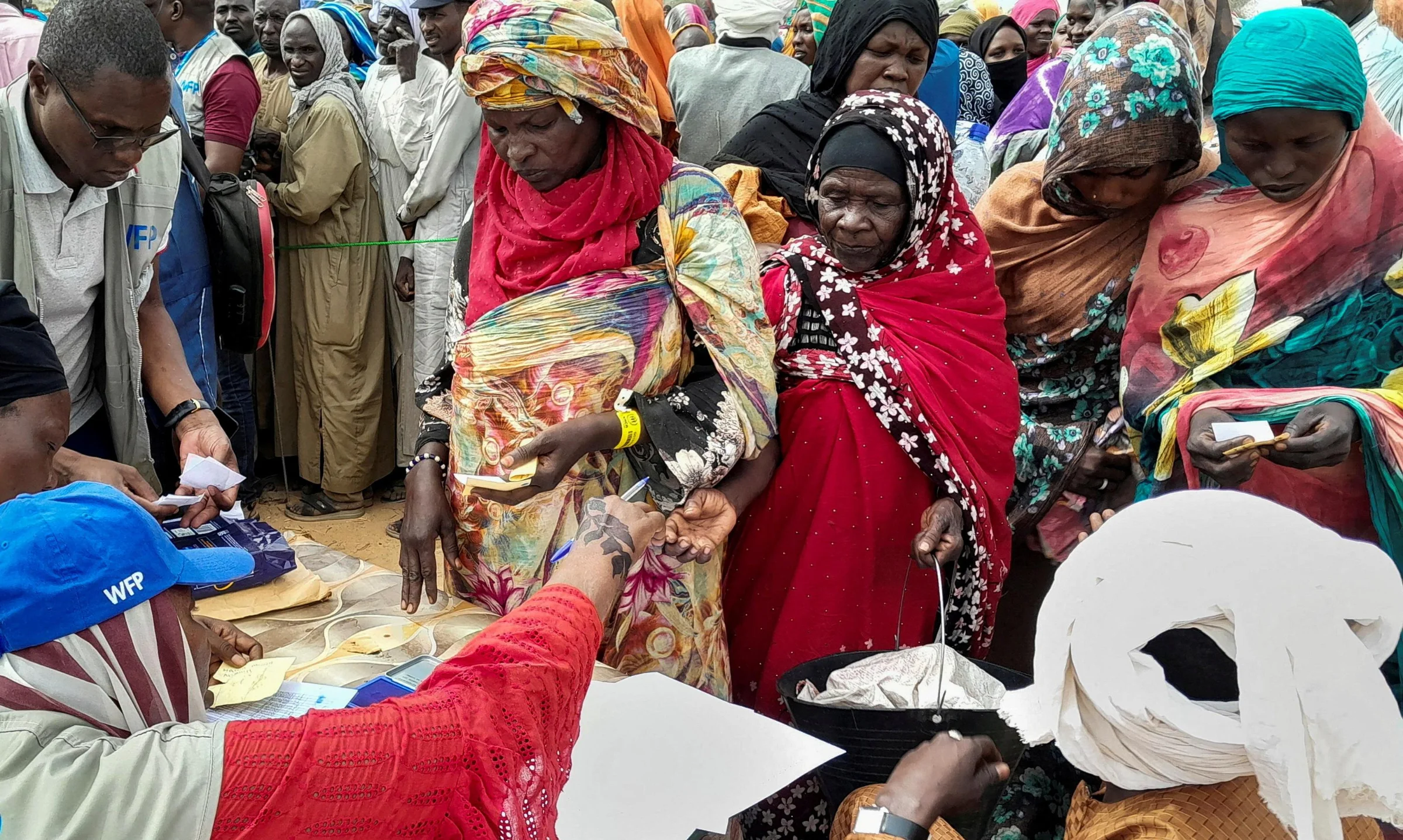
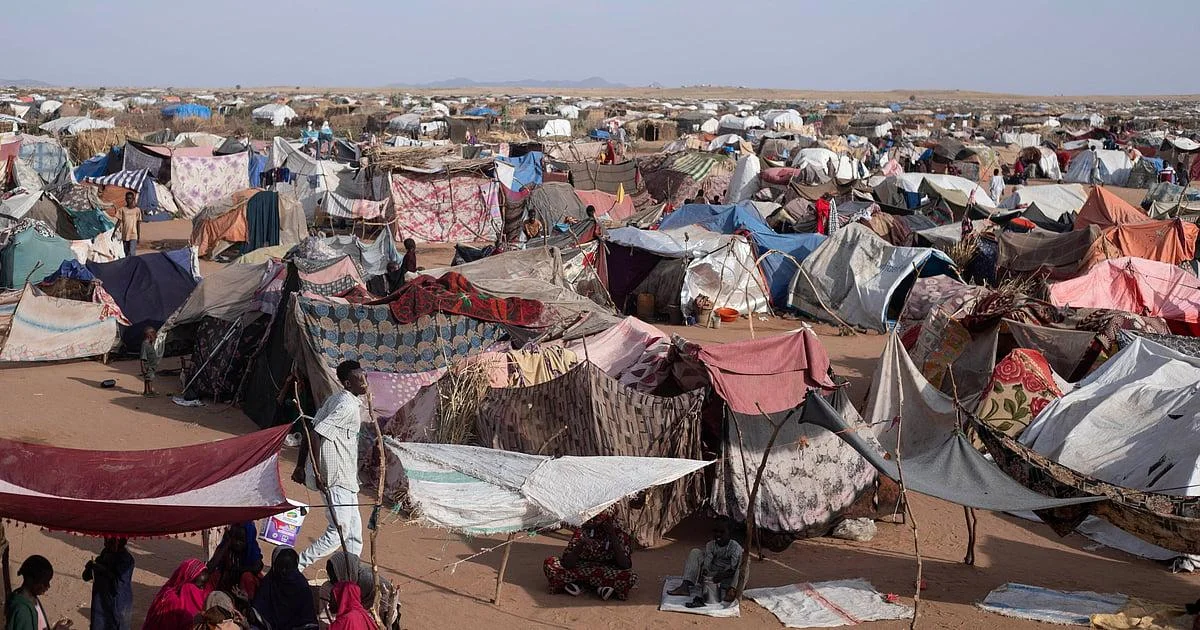
The warning also places the Sahel alongside Sudan and eastern Congo as one of the administration's principal African security concerns.