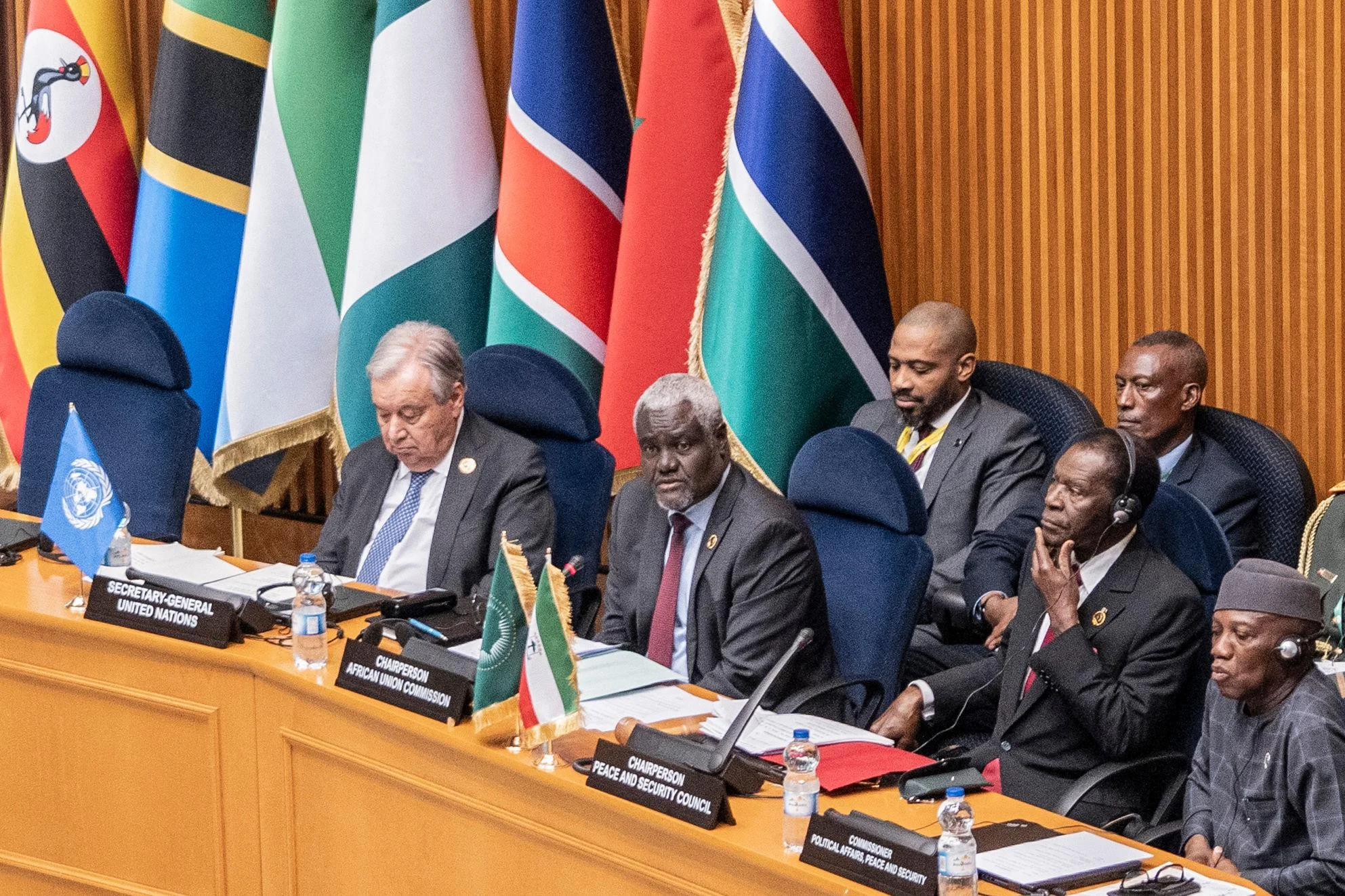
The United States has emphasized that African leadership must remain central to international efforts to combat terrorism and instability across West Africa and the Sahel.
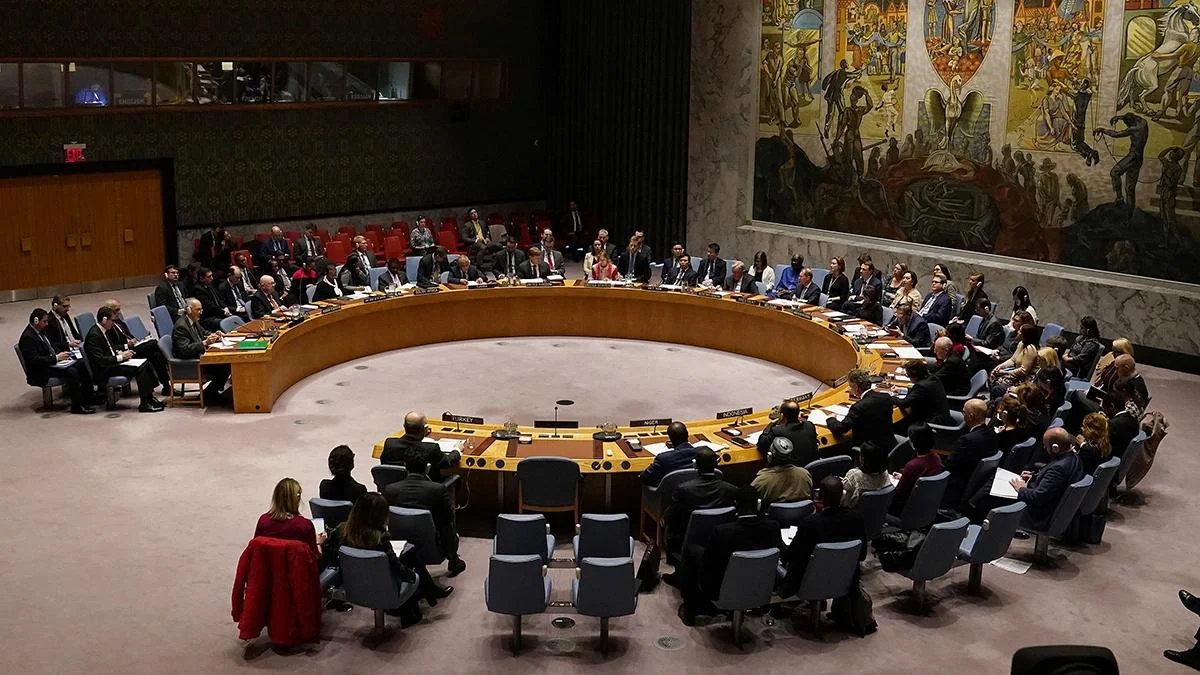
Addressing the United Nations Security Council on October 6, Ambassador Jeffrey Bartos said cooperation between the African Union and United Nations was essential to confronting the region's security challenges.
"AU-UN cooperation and African leadership are critical to addressing a multitude of challenges faced by the people of West Africa and the Sahel," Bartos said.
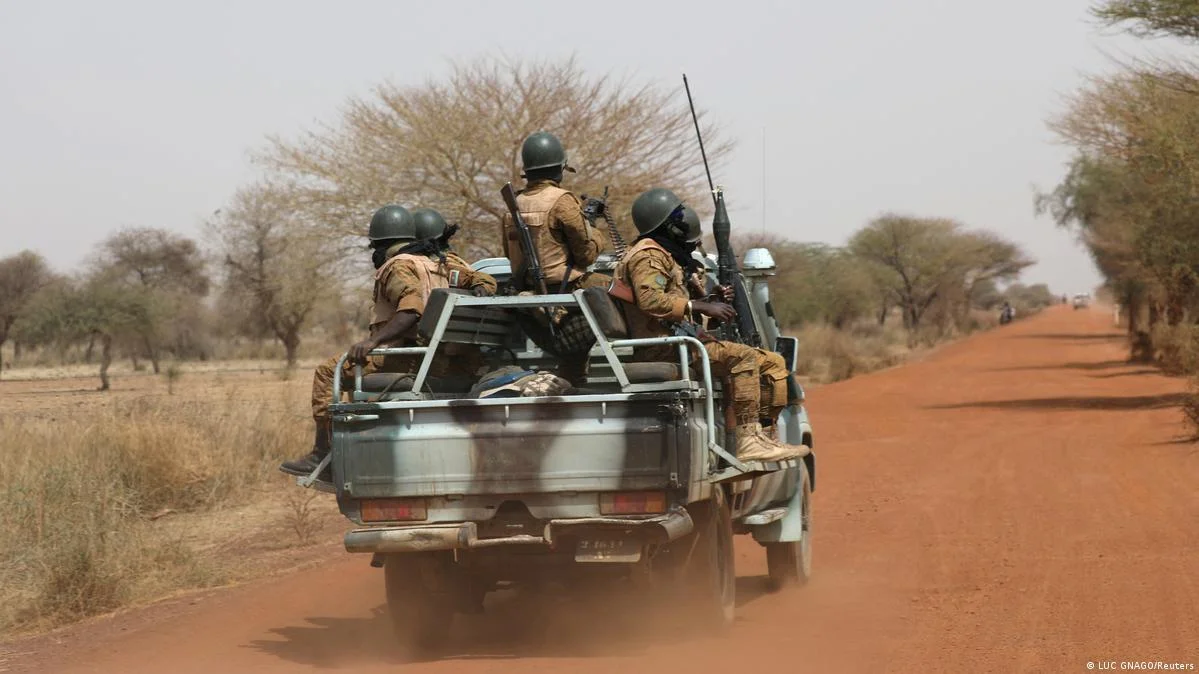
The statement came as Washington condemned terrorist attacks in Burkina Faso, Mali and Niger, including attacks involving drones.
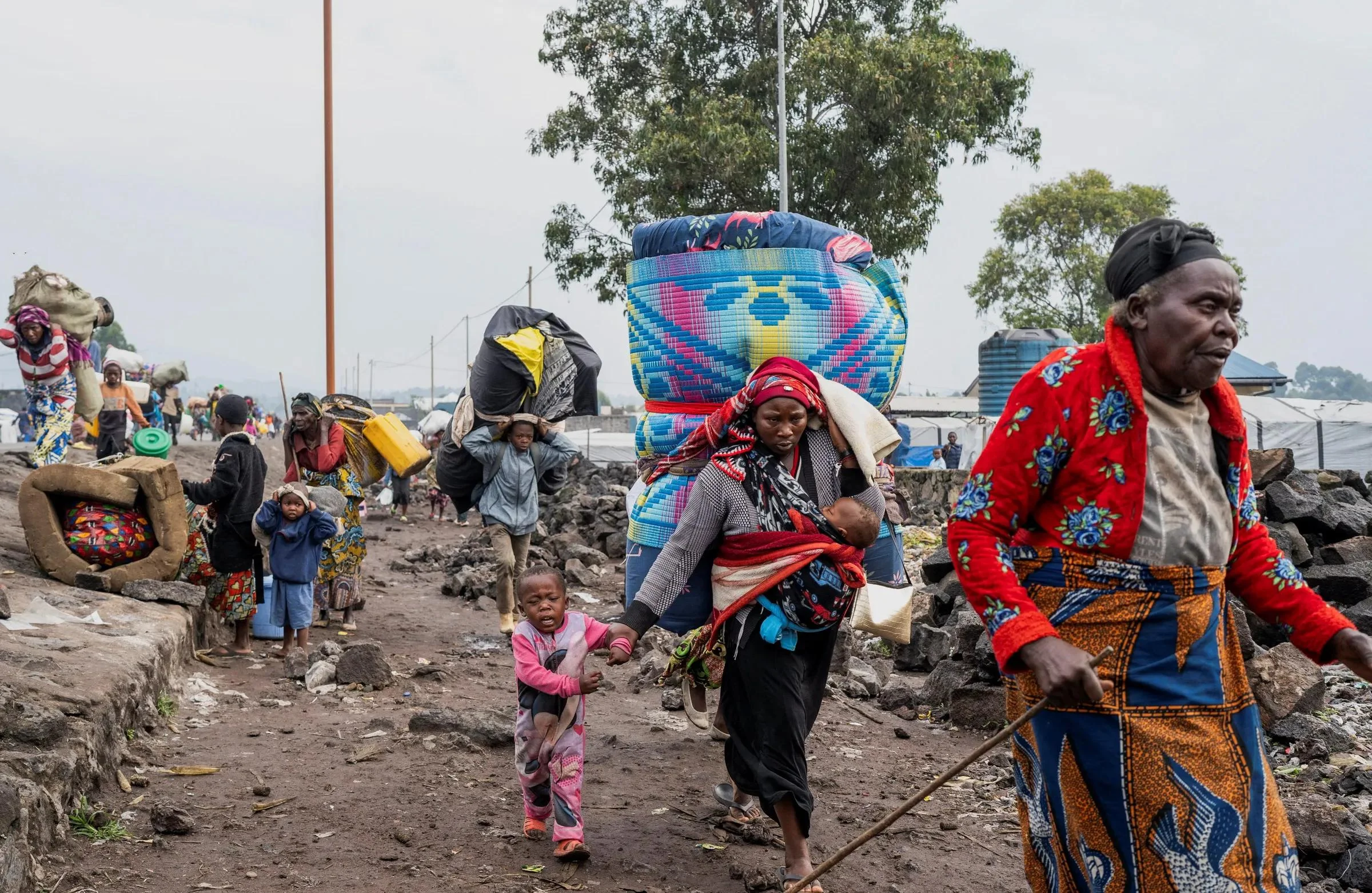
Bartos presented insecurity in the Sahel as a concern not only for the affected countries but also for the broader international community.
His remarks indicate that Washington sees regional organizations as important partners in responding to threats that cross national borders.
The African Union and regional institutions have roles in diplomatic engagement, conflict prevention and security cooperation, although their capabilities and mandates vary.
The United States also expressed support for closer coordination between existing UN, African Union and regional peace operations.
According to Bartos, the organizations involved have a shared interest in ensuring that their policies and operational approaches allow them to cooperate effectively.
The ambassador did not propose a new regional military coalition or announce a specific counterterrorism initiative.
Instead, the speech outlined a broader diplomatic position: African institutions should play a leading role, supported by coordinated international action.
Whether that approach produces new operations or agreements will depend on subsequent decisions by African governments and international partners.