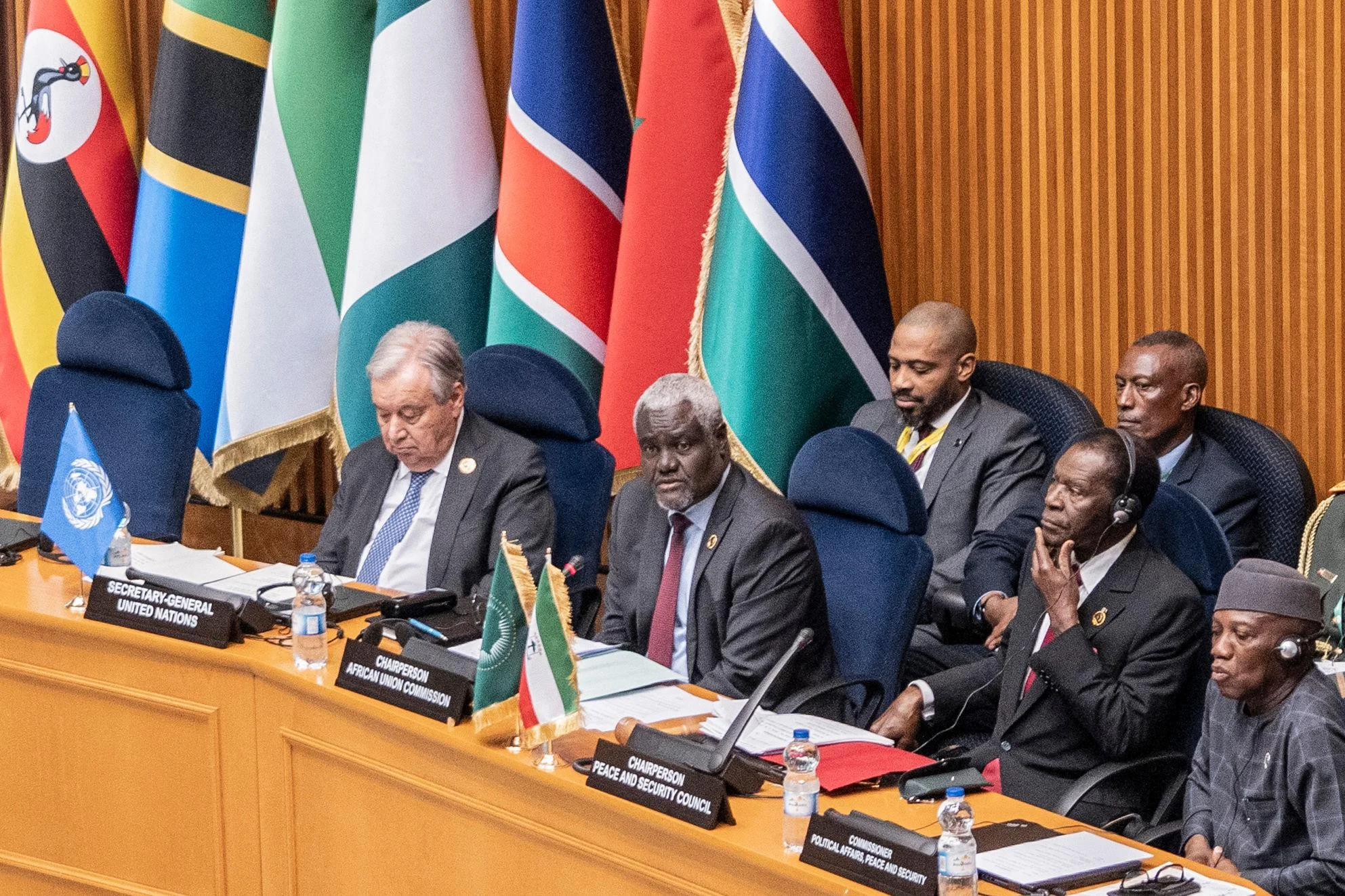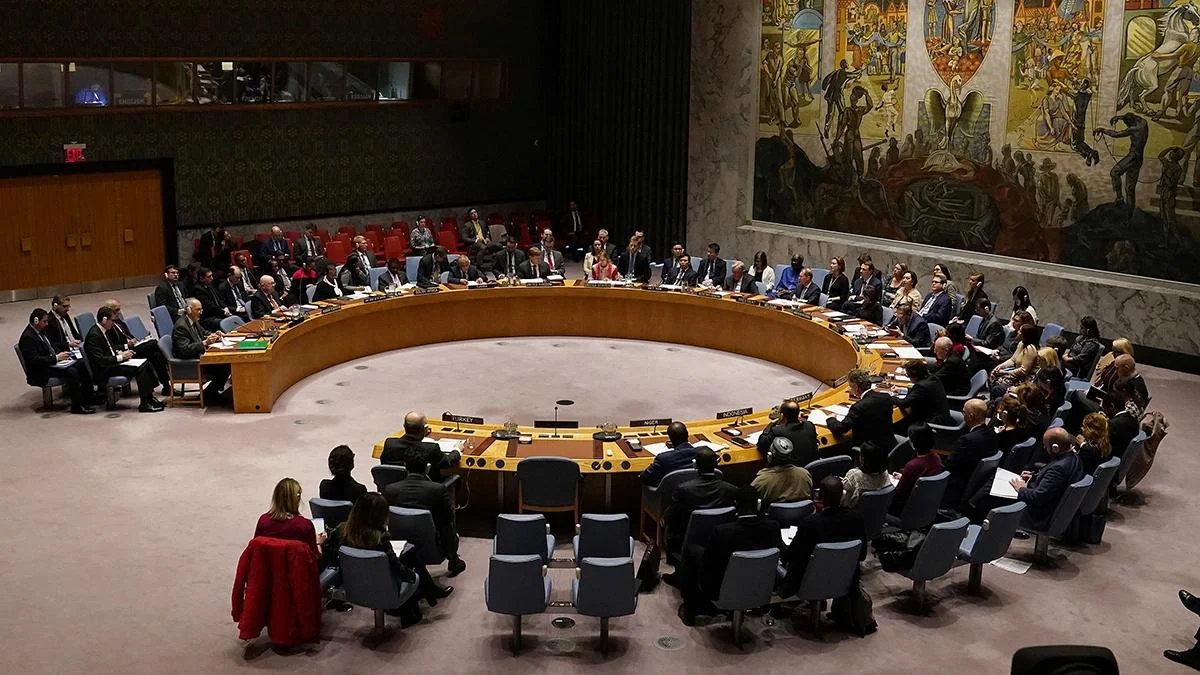
The United States has called for more effective cooperation between the United Nations and African Union, warning that continuing conflicts and insecurity across Africa demonstrate the need for a stronger international response.
Ambassador Jeffrey Bartos delivered the message during an October 6 Security Council briefing focused on cooperation with regional and subregional organizations.
"Coordination and partnership between the UN and AU can help achieve peace, security, and prosperity in Africa," Bartos said.
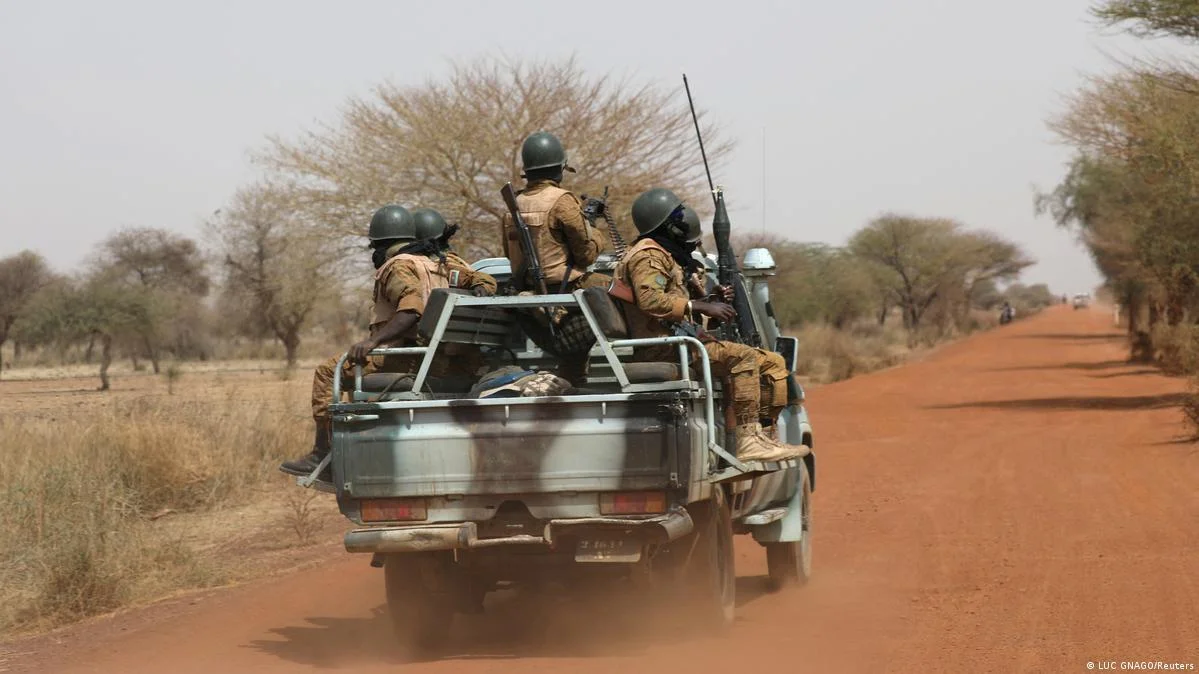
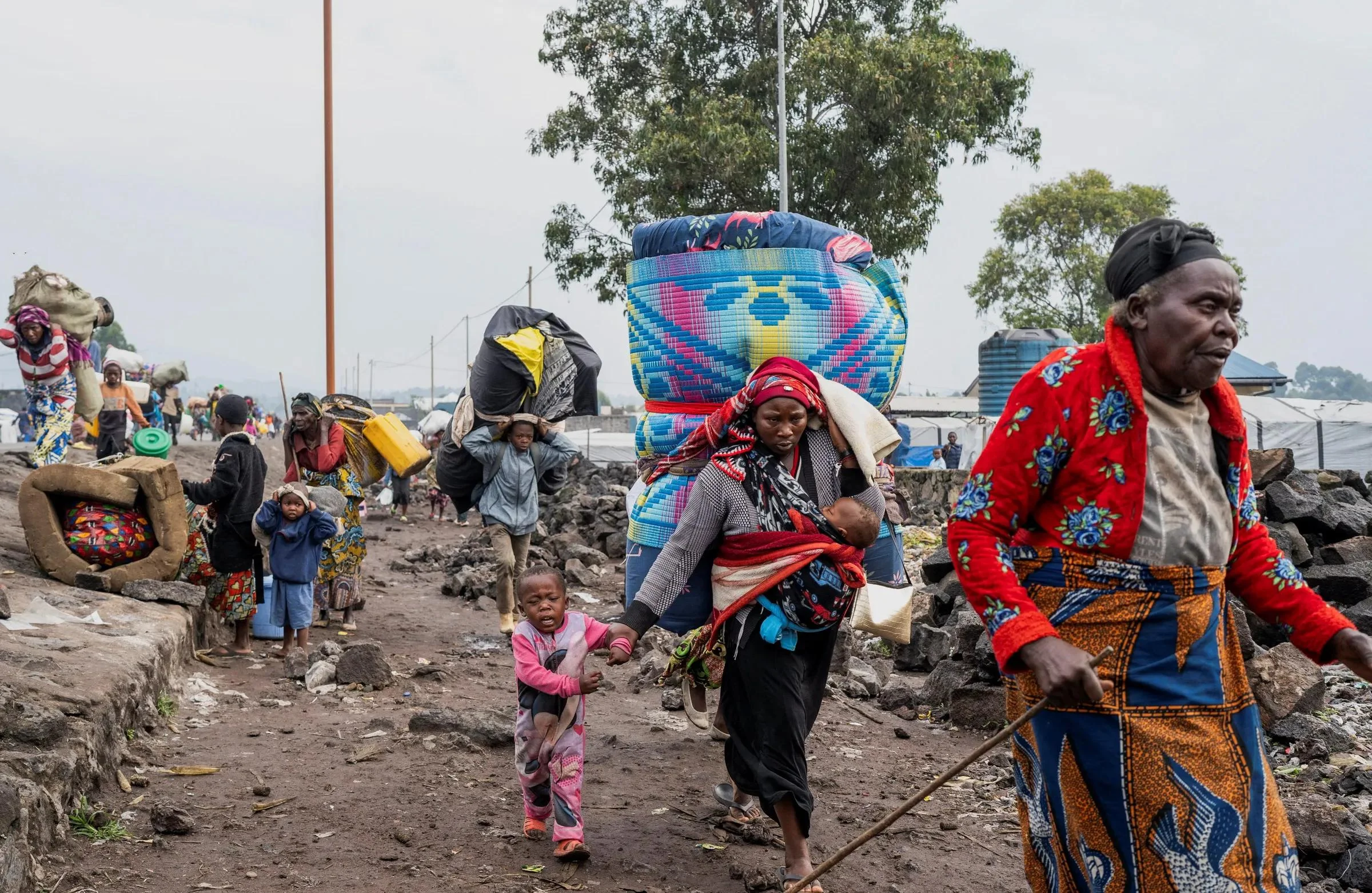
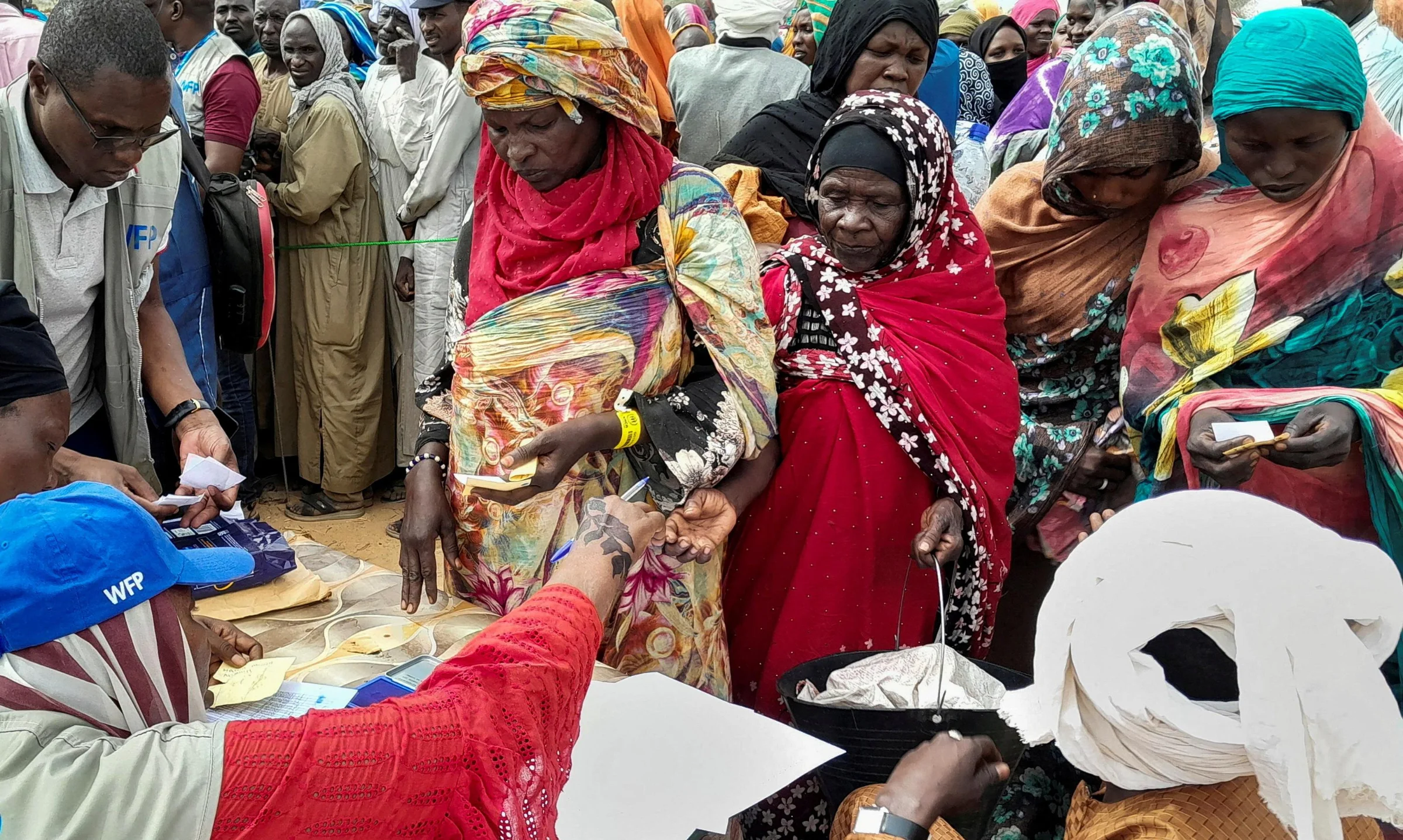
He identified Sudan, eastern Democratic Republic of Congo and the Sahel as three major areas where closer cooperation is particularly important.
"The crisis in Sudan, insecurity in the Sahel, and the situation in eastern DRC underline this point," he told the Council.
Bartos said UN, African Union and regional peace operations were already active in some of Africa's most fragile areas.
Because these operations can have overlapping responsibilities, he argued that their policies, doctrines and directives should support effective cooperation.
The ambassador also endorsed the UN secretary-general's emphasis on making the partnership more responsive and effective.
"We agree with the secretary-general on the collective need to focus on ensuring the partnership is mutually reinforcing, more responsive, and more effective for the people they serve," he said.
The administration's message was not limited to institutional cooperation.
Washington also called for an immediate end to violence in Sudan, supported diplomatic efforts in Congo and condemned terrorist attacks across the Sahel.
The United States further identified Resolution 2719 as a possible financing mechanism for African Union-led peace operations, subject to strict operational conditions.
Taken together, the remarks indicate that Washington supports closer institutional coordination while retaining a selective approach to individual peace missions.
The central test will be whether the proposed improvements translate into effective responses to the crises affecting African civilians.